
Ventenata (Ventenata dubia)
2A, common in isolated areas of Montana
Quick ID
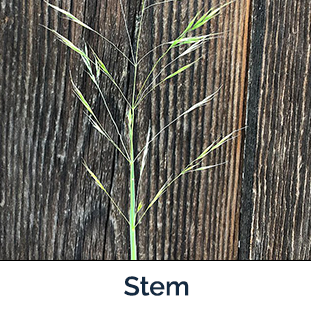
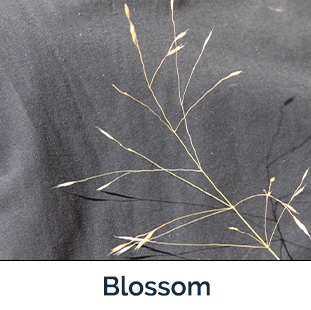
- Open, airy, pyramid-shaped panicle with flower and seed-bearing stems coming off of the main stem at almost 90 degree angles
- Dark red or black nodes, evident at all stages of growth
- Long, membranous ligule with tattered tip
- Bent and twisted awns
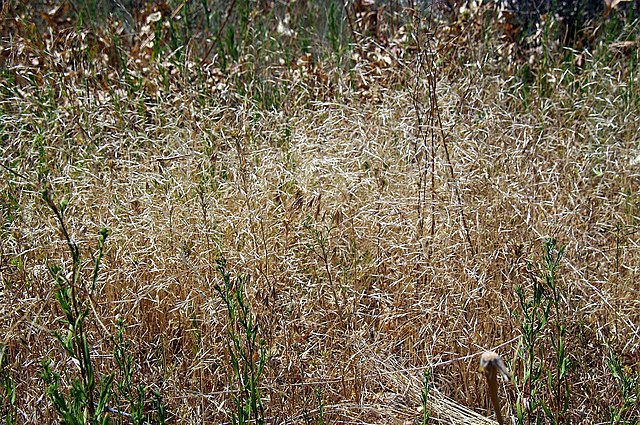
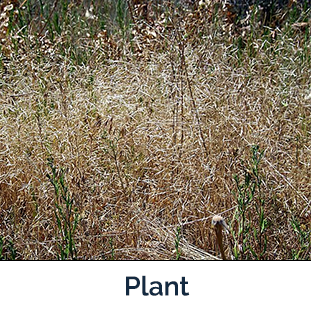
Ventenata dubia Plant
Video Information
Dr. Jane Mangold Identifying Invasive grasses provided through Montana State University
Identifying Ventenata in early summer video provided by Dr. Jane Mangold at Montana State University
Weed Images
Weed Specifications
| Type | Information |
|---|---|
| Toxicity | Non-toxic, but not palatable to livestock and wildlife, decreases forage value and yield and crop quality. |
| Best Management Practices |
Herbicide treatments can be effective, but are expensive and require precise applications; maintain healthy stands of perennial grasses, early detection and rapid response; prevent seed spread by washing equipment, not moving infested hay, using trusted seed sources, etc. |
| Habitat | Range, pastures, roadsides, agricultural fields. |
| Root | Shallow and fibrous and is pulled out of the ground easily. |
| Leaves | Narrow and folded lengthwise. |
| Lifespan | Winter annual, matures later than cheatgrass, and is yellowish tan in color when mature. |
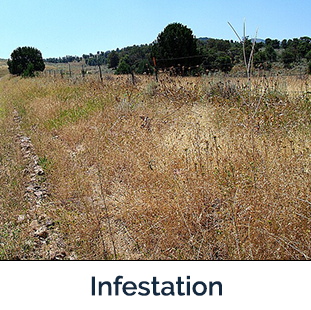
| Similar Looking Plants | Often grows alongside cheatgrass and Japanese brome, and can easily be mistaken for them when viewed from a distance, but from far away ventenata has a shiny and almost soft, fuzzy appearance, and does not turn reddish purple at maturity like cheatgrass does; can also be confused with some native grasses, such as annual hairgrass. (Deschampsia danthonioides) |
| Important Information | Typically 6-18 inches tall; thin, wiry stems, hence another one of its common names, wiregrass; creates conditions conducive to erosion and may increase wildfire frequency and intensity. |